
Programs & services
Ways we can help
Practical, judgment-free support for fathers, for men and women in recovery, and for anyone in our community who needs someone in their corner.
Judgment-free support
Fatherhood
Calling All Fathers
Any male can be a dad. It takes a special man to be a father.
Many fathers don’t know about the resources available to them, especially when it comes to custody and child support. Calling All Fathers exists to educate, empower, engage and enlighten men, so they can be committed to, involved with and responsible for their children.
What you’ll find
- Encouragement from fathers who’ve been where you are
- Help understanding the resources available for custody and child support
- Events and outings that bring dads and kids together
- A community of men committed to being there for their children
Recovery
Recovery coaching
Recovery coaching, also called peer mentoring, is a partnership. You direct your own recovery, and your coach brings the experience to help you make lasting change. It’s for anyone seeking recovery, including people coming home from treatment or the criminal justice system.
Coaching is led by Michael Green, a recovery coach practicing since 1987.
Recovery coaching is peer support, not medical treatment. Your coach can help you connect with clinical services when you need them.
A recovery coach can help you
- Build a personal recovery wellness plan
- Remove barriers and obstacles that stand in the way of recovery
- Find ways to stop using, or reduce the harm associated with addictive behaviors
- Avoid relapse and build community support for your recovery
- Work on life goals like relationships, work and education
How it works
- Free 15-minute consultationCall us to talk about your health and well-being, no strings attached.
- Create your planLearn the five stages of change and build a recovery wellness plan that fits your life.
- One-on-one coachingConfidential sessions with your coach. Most of our information and services are available online or by phone, so you don’t have to live nearby.
As a Recovery Coach (RC) it is not my assignment to dig deep into one’s past. My business is to remove the current issue(s). With the case of a log jam in a river, an RC doesn’t discuss what type of tree it was, which area it came from. An RC’s main concern is to find which log is not parallel to the river’s flow.
Substance Use Disorder (SUD) is just a symptom of a log jam. If we just stop using, we think everything will be alright. Yes, let’s stop adding logs to the river. Just because we have stopped using, this will not remove the log jam. The river will continue to flow and build until there is a greater problem (jails, overdose or death). An RC can return many rivers to flowing smoothly again.
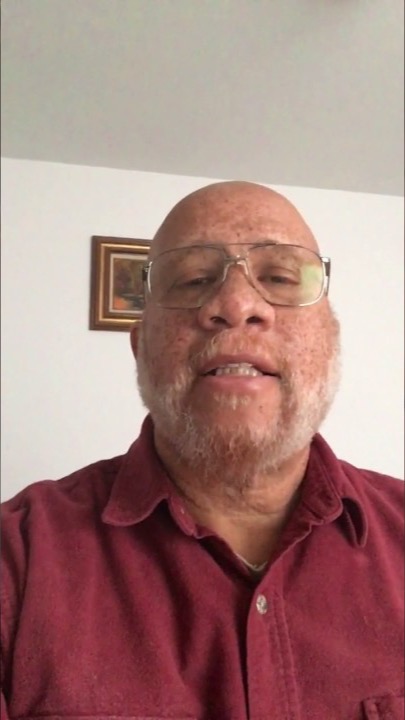 Michael A. Green Sr., RCCEO & Founder
How change happens
The five stages of change
Change doesn’t happen all at once. Most people move through five stages on the way to lasting recovery, at their own pace. Knowing which stage you’re in helps you and your coach choose the right next step, and it’s normal to move back and forth between stages along the way.
Stage 1: Not ready yet
Precontemplation
You don’t see your use as a problem yet, or you’ve given up on changing it.
Stage 2: Thinking about it
Contemplation
You know something needs to change and you’re weighing the pros and cons, but you’re not sure you’re ready.
Stage 3: Getting ready
Preparation
You’ve decided to change. You’re making a plan and taking small first steps.
Stage 4: Making the change
Action
You’re actively changing your habits and building new, healthier routines.
Stage 5: Keeping it going
Maintenance
You’re protecting your progress and learning to handle triggers so the change lasts.
Setbacks are part of the process. A slip isn’t failure. Many people go through the stages more than once before change sticks, and you can pick up again at any stage.
Based on the Stages of Change model (also called the Transtheoretical Model) developed by psychologists James Prochaska and Carlo DiClemente.
Self-check
Is your use becoming a problem?
Answer four quick questions honestly. There are no wrong answers, and nothing you choose here is saved or sent anywhere.
Have you ever felt you should cut down on your using?
Have people annoyed you by criticizing your using?
Have you ever felt bad or guilty about your using?
Have you ever used first thing in the morning to start your day?
This is not a diagnosis. These questions are adapted from the widely used CAGE screening questions.
Help line
Help & referrals
Call 219-882-1070 with your questions and concerns. We’ll listen, and if another organization is better able to meet your needs, we’ll refer you to them.
Call 219-882-1070If you need help right now
- Thinking about suicide or in emotional crisis? Call or text 988, the Suicide & Crisis Lifeline, any time.
- Need help with substance use? SAMHSA’s National Helpline is free, confidential and open 24/7: 1-800-662-4357.
- In immediate danger? Call 911.
Community
Community & mentoring
We believe men grow stronger together. Over the years our community work has included forums, workshops, mentoring and family events across Northwest Indiana.
Read our storyOur community work has included
- “Unspoken Word” community forums
- Mentoring in the Boys & Girls Clubs of Northwest Indiana “Rites of Passage” program
- Domestic violence awareness workshops
- Marriage Day celebrations and father–daughter outings
- Weekly support for fathers in and around our community